
Trace Former Arlington County Owners
Tracing past owners in Arlington County means walking a single parcel backward through its chain of deeds. Start from the current instrument. Every earlier conveyance in the property records has its own parties, record reference, and land description. Treat the table as a working chronology rather than a sample chain with made-up names or dates. Fill each field from the deed you actually locate. Stop the moment a transfer cannot be matched with confidence.
| Transfer | Grantor to Grantee | Instrument and Reference | Parcel Match |
|---|---|---|---|
| Latest deed | Read from the current recorded instrument | Record date and deed reference | Compare RPC and legal description |
| Prior deed | Prior grantor to current grantor | Reference cited in latest deed | Match the same land, not only the address |
| Earlier conveyance | Read each earlier instrument in turn | Use the book, page, or index reference | Note lots, tracts, and any split or combination |
Arlington County land records reach back to 1869 remotely. Older or damaged instruments may still demand a courthouse visit. Deed books and microfilm sit at the courthouse. Historic maps and city directories add useful color, but only a recorded conveyance proves ownership. Keep the verified chain of title separate from lists of residents or tax accounts. Those lists can name people who never held title.
Walk the Arlington County Deed Chain
A grantor conveys an interest in land; a grantee receives it. The chain of title is simply the linked sequence of those recorded transfers. All of them cover a single parcel. In Arlington County, work the grantor-grantee index backward and confirm the parcel at each step. Two cautions matter here. An older deed rarely carries a modern street address. Unrelated owners can share a name. The land description, not the name, is what ties one deed to the next.
- Find the latest matching deed with the current owner as grantee and compare its description with the RPC record.
- Read the grantor and any prior deed-book/page or instrument reference cited in the deed.
- Search the prior owner as grantee, then check that deed's description and earlier reference.
- Record the transfer date and instrument type, and move to books or microfilm when remote search no longer reaches the source.
- Grantor / grantee
- The parties conveying and receiving an interest.
- Chain of title
- The ordered sequence of instruments that convey the same land.
- Legal description
- The recorded land description used to match a deed beyond a street label.
- Book and page
- A reference used to locate a recorded instrument in a deed book.
How Far Arlington County Deeds Reach
Arlington County publishes its remote land-record access back through 1869. Yet that online depth is only part of the story. Deeds, mortgages, and wills also live in computerized records. Microfilm and original deed books hold them too. The courthouse research room supplies kiosks, ScanPro, and self-service printing. No record loss from a courthouse fire interrupts the county's deed history.
When a remote property search hits its cutoff or returns a hard-to-read image, ask the Land Records counter for help locating a book or microfilm reference. The clerk offers general guidance but no title opinion. Save the reference and the legal description. Then the earlier volume can be checked against the same tract.
Lawful use. Use past-owner records for property history, title diligence, and civic research. Do not use names or addresses to track, harass, threaten, or harm anyone.
Arlington County Deed Books and Film
The courthouse is the next stop for an older or difficult instrument. Arlington County gives the public kiosks. It also offers a ScanPro and microfilm station, with printing on site. Remote Cloud Search covers land records back through 1869. The start year of each deed-book or film series is not itemized. Ask the clerk which reference you need before traveling or requesting a copy by mail.
The Land Records services page lays out online, onsite, and mail-copy routes. An onsite copy runs $0.50 per page. The listed certification charge is $2 per document. Mail requests are capped at five documents. They need a deed-book and page reference, a self-addressed stamped envelope, and a check. Call the clerk to confirm the page count and current fees.
Both the remote and the courthouse workflow appear on the linked Arlington County Land Records services page. For broader deed-copy details, see the Arlington County deed records reference.
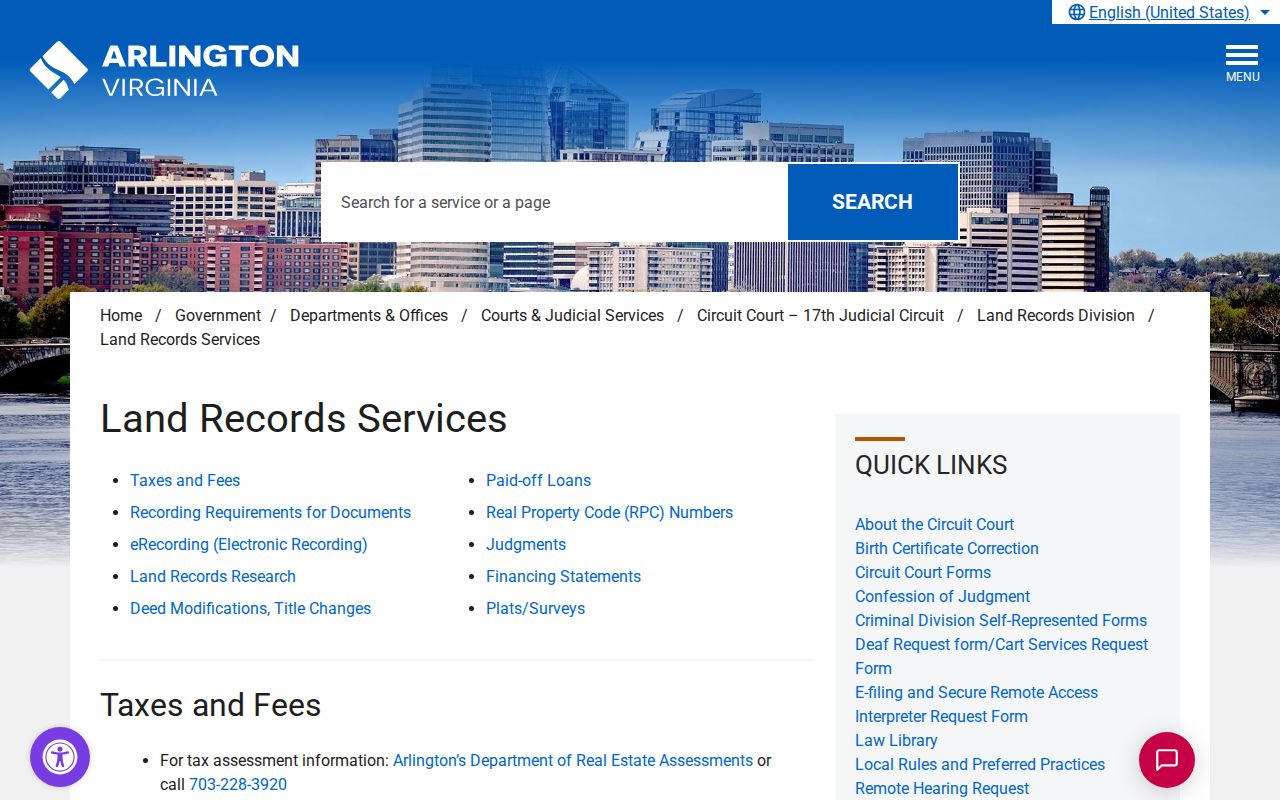
The official Land Records services page displays the access instructions for each channel. Find your reference in the index first. Then use the courthouse channel when the older volume is not available remotely.
Falls Church Before 1988
Historic house cards can tie an old address to former owners or occupants, architects, and alterations. The county's historic-property guide points further, to permits, wills, obituaries, census material, phone books, tax records, newspapers, plats, and maps. Together these fill the story between deeds. An occupant record, though, is never proof of title.
The Arlington County historic-property research guide outlines a local sequence that pairs the current RPC and legal description with deed books, plat maps, old atlases, and house cards.
Treat the house card as a lead. Confirm any transfer through the recorded deed chain.
Arlington County House Cards and Maps
Historic house cards can tie an original address to former owners or occupants. They can also name architects and alterations. The county's historic-property guide points to permits, wills, obituaries, census material, phone books, tax records, newspapers, plats, and maps. Sources like these fill the story between one deed and the next. But an occupant record never proves title.
The image connects to the Arlington County historic-property research guide. That guide outlines a local sequence pairing the current RPC and legal description with deed books, plat maps, old atlases, and house cards.
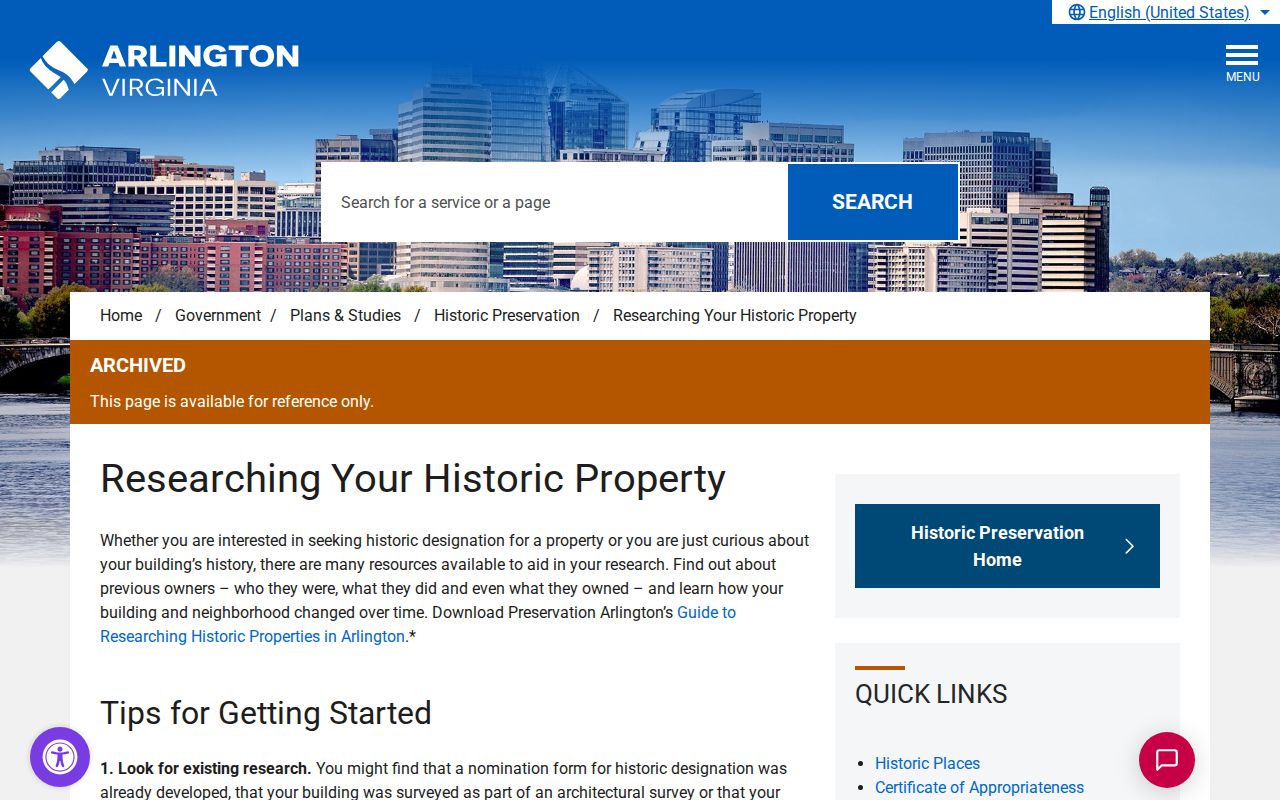
Treat the house card as a lead. Confirm any transfer through the recorded deed chain.
Arlington County Directories and Tax Rolls
The Charlie Clark Center for Local History keeps a deep bench of material. It is a strong starting point for tracing past owners. Its shelves hold old county, telephone, and real-estate directories. You will also find census microfilm, maps, Sanborn Insurance Maps, newspapers, and local court records. Visits run by appointment. The collection page lists no sample entry, so ask staff which directory years cover your address before you plan a trip.
Arlington County's own historic guide adds a useful quirk. Pre-1927 tax records could list livestock, watches, clocks, pianos, and carriages right beside the property-tax figures. That detail can anchor a household in an era before modern parcel cards existed. It can also pin a property to a specific time. The local-history reference collection describes the directories, atlases, maps, and microfilm available there.
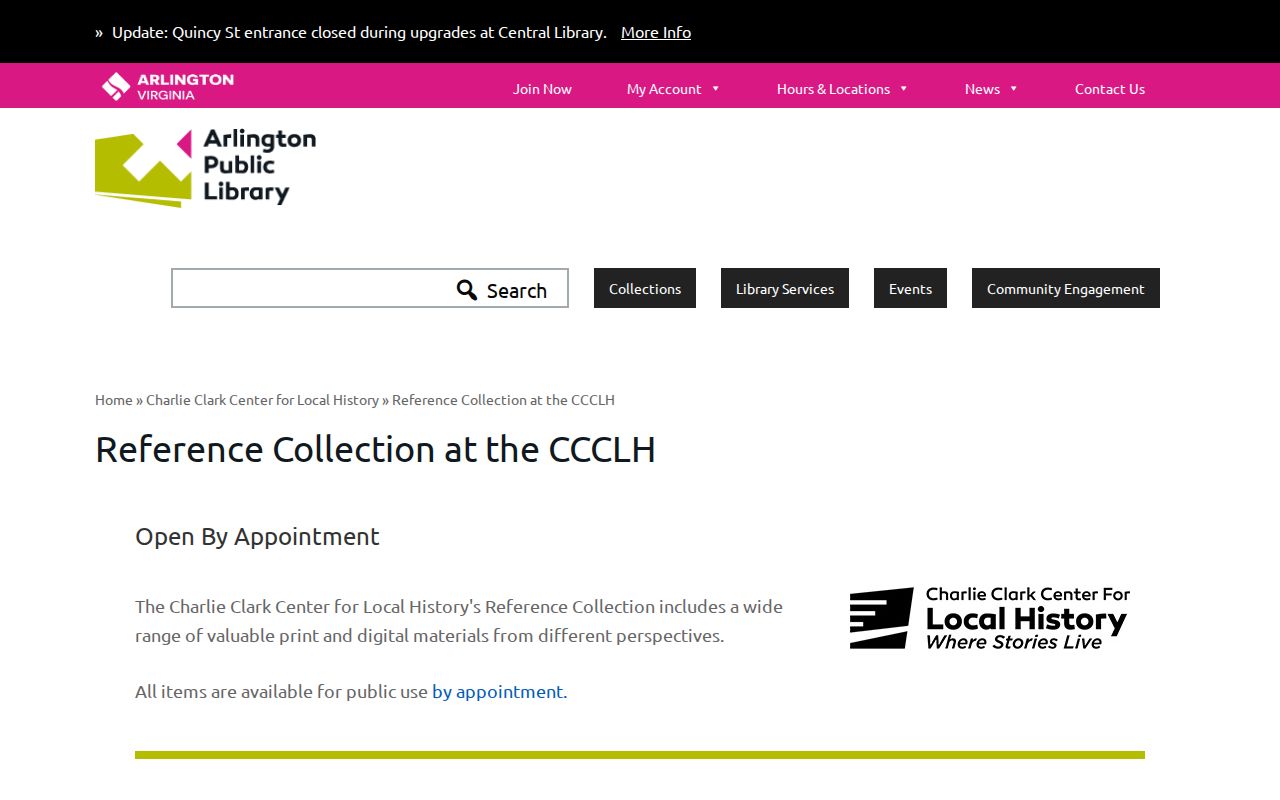
Treat an old directory or tax entry as a lead, nothing more. Check it against deeds, house cards, and maps before assuming it names the legal owner.
Older Arlington County Addresses
Street addresses often go missing or go stale in older instruments. Arlington County's historic-property workflow suggests a different entry point. Start from the current legal description and RPC. Then follow the prior deed reference backward. Compare lot, block, subdivision, and parent-tract language each step of the way. Did the address change? The 1900 property-owner map can test an early description against today's parcel. So can historic aerials, Franklin atlases, and house cards.
Resubdivisions add another wrinkle. The county FAQ requires a certified surveyor's plat recorded in Land Records. Assessment records cannot change for a resubdivided lot without it. Pairing the deed with that plat shows how one large tract became smaller lots. GIS stays a modern reference layer, never a substitute for the recorded description.
Arlington County Estate Transfers
Ownership can shift without a normal sale. An executor or administrator deed, survivorship, trust administration, or a deed recorded before death can all move title. Each one works in its own way. Arlington Circuit Court Probate & Wills keeps the estate files. Land Records holds the conveyance that changed title. A death certificate proves a death, not ownership of any parcel.
Virginia's Office of Vital Records opens death records to the public after 25 years. Current certified copies stay restricted to qualifying applicants with identification. Older public records and microfilm sit at the Library of Virginia. Read the probate file first to understand the fiduciary's authority. Then find the recorded executor deed or other instrument that moved the land.
The Virginia Department of Health genealogy index lays out the public historical vital-record material. It shows where that material lives. It serves family history, not land-title research.
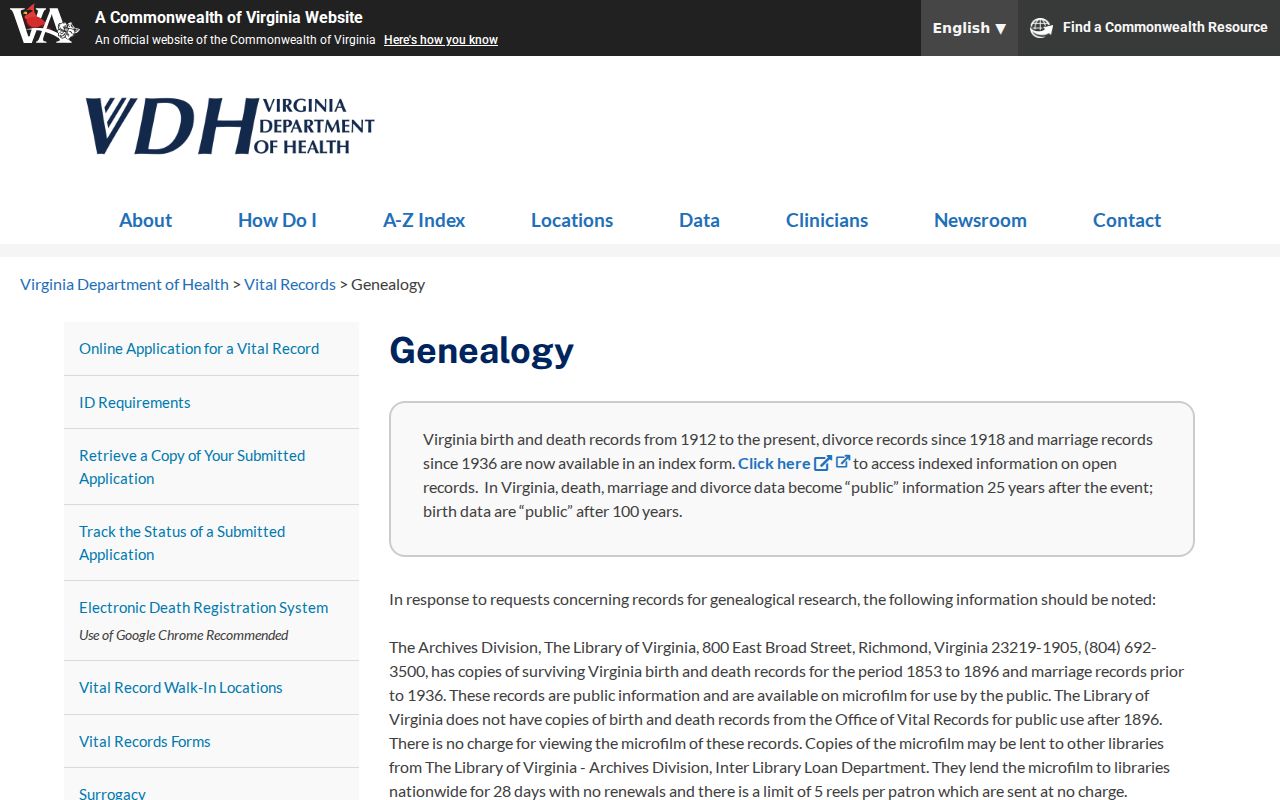
Let a genealogy entry set the context. Then confirm who conveyed the parcel through probate authority and the recorded deed.
Limits of Arlington County Ownership History
A chain of title is only as sound as each parcel match. Grantor and grantee names can look familiar yet belong to a different lot entirely. A directory shows a resident; a tax list shows an assessment record. Neither one replaces a deed. Write down the source and date for every fact. Stop when the legal description stops reconciling.
Some gaps simply remain open. The exact first year of every deed book calls for direct confirmation, and so does any local courthouse loss, along with the full year run of directories. Arlington County's remote index reaches back to 1869. Courthouse materials plus neighboring repositories offer a documented next step from there.